

Most products struggle with inconsistent design systems, confusing flows, and clunky interactions. Without clear UX strategy, reusable components, and real user testing, you risk poor adoption and churn.
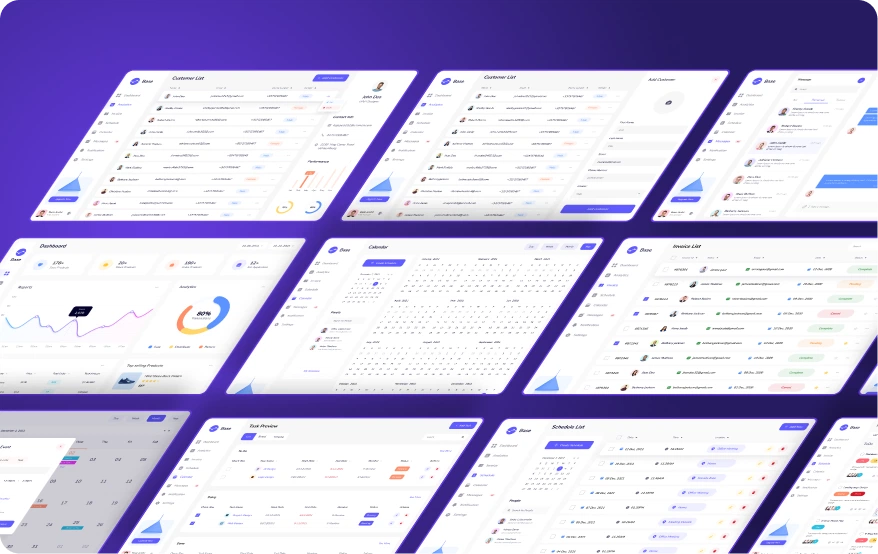
We run usability studies, heatmaps, and interviews to uncover friction in real journeys.
Instead of isolated screens, we create scalable design systems (typography, color tokens, UI kits, components) that your dev team can use for years.
One language across web, iOS, and Android → no broken experiences.
WCAG-compliant design ensures inclusivity and better adoption.
Testing First, Then Scaling
Interactive prototypes tested with users → fewer costly reworks later
Your product isn’t just a UI—it’s your conversion engine that improves sign-ups, retention, and NPS.
Created professional and engaging visuals for engineering brand identity.
We discuss your current UI or design goals from scratch to align on vision and expectations.
We study similar products, user journeys, and industry best practices to identify opportunities for improvement.
We document every feature in detail, ensuring nothing is missed during design and development.
We build low-fidelity layouts to map user flows, interactions, and page hierarchy clearly.
We design polished, high-fidelity screens that capture your brand identity and deliver a modern user interface.
We test designs with real users, refining usability and ensuring the experience is smooth and intuitive.
We build reusable components and a scalable design system to ensure long-term consistency and flexibility.
We deliver a clean, developer-friendly Figma file with assets, guidelines, and annotations for seamless execution.
Marketing isn’t just ads, it’s an ecosystem. Let’s make sure yours actually drives trust and growth.
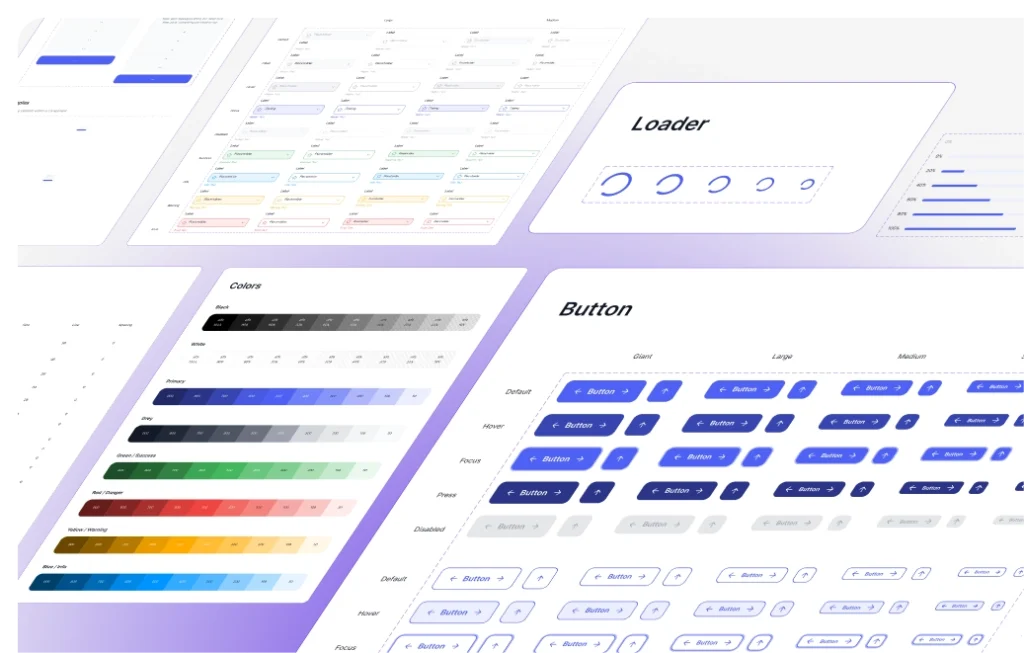
A style guide covers only the basics—like fonts, colors, and logos. A design system goes further: it’s a complete library of reusable components (buttons, cards, modals, forms, icons, grids) with clear usage rules. It keeps your product scalable, so every new feature looks and feels consistent without reinventing the wheel.
We build responsive design systems that adapt to different platforms. Each component is designed with breakpoints, spacing rules, and platform-specific behaviors in mind. This ensures your product looks seamless on desktop, tablet, iOS, and Android without duplicating work.
Absolutely. Accessibility isn’t optional—it’s part of great UX. We design with WCAG 2.1 AA standards, ensuring proper contrast ratios, keyboard navigation, screen reader support, and inclusive interactions. This not only expands your audience but also reduces legal risks.
Typically within 1–2 weeks (depending on project scope). We use Figma to create interactive prototypes early in the process so you can test real flows, not just static screens. This speeds up decision-making and avoids costly redesigns later.
Yes. We specialize in design system migration. We’ll audit your existing UI, clean up inconsistencies, and rebuild it into a modular component library. This makes future updates faster and more consistent, without scrapping what you’ve already built.
Yes. We run usability tests with real users to validate navigation, task flows, and interactions. We use tools like Maze, Lookback, or moderated sessions to uncover friction points—so your design decisions are backed by real evidence, not guesswork.